
Fire safety update: New grade A fire alarm requirements for three‑storey HMOs
Recent updates to UK fire safety regulations have introduced new obligations for landlords who own Houses in Multiple Occupation (HMOs) with three or more storeys. These changes aim to improve safety standards in taller shared properties, where the risk and complexity of evacuation increase significantly.
If you own or manage a multi‑storey HMO, it’s important to understand what has changed and what steps may now be required to remain compliant.
What’s changed?
Under the latest fire safety regulations, HMOs with three or more storeys must now be fitted with a Grade A fire alarm system. This is a higher‑specification system than the types previously accepted in many properties and is designed to offer improved detection, monitoring and early warning.
The change reflects national fire data showing that residents in HMOs face higher risks than those in single‑family homes.
As may be apparent, taller buildings pose a greater risk as evacuation routes are longer and more complex, particularly for residents who may have mobility issues.
What Is a Grade A Fire Alarm System?
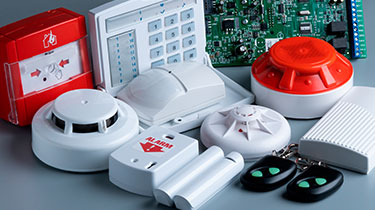
A Grade A system is the highest level of fire detection used in residential settings. It typically includes:
- A central fire alarm control panel
- Interlinked smoke and heat detectors throughout escape routes and high‑risk rooms
- Alarm sounders in both communal areas and bedrooms
- Emergency lighting along escape routes
- Weekly testing and six‑monthly professional servicing
All Grade A systems must comply with BS 5839 Part 6 and be installed by qualified fire safety professionals.
One of the preferred forms of fire detection systems is a wireless system that is mains-fed but does not need a multitude of cables connecting it.
It is more expensive to fit, but the only wire is the one to the panel near the front door, meaning there is a lower chance of wear and tear damaging the system.
You must check with your local authorities’ requirements before installing any system.
Additional fire safety measures
Alongside the new alarm requirements, landlords of multi‑storey HMOs must ensure the following measures are also in place:
- Fire doors (FD30) with smoke seals and self‑closing devices
- Clear, protected escape routes that remain unobstructed
- Fire extinguishers on each floor and a fire blanket in each kitchen
- A professionally completed and regularly updated fire risk assessment
- Clearly displayed fire safety instructions in communal areas
These measures work together to reduce the risk of fire spreading and to ensure residents can evacuate safely if needed.
Staying compliant
If you own a three‑storey HMO, the following actions can help ensure you meet the updated requirements:
- Carry out a Fire Risk Assessment
A current fire risk assessment is a legal requirement and should be reviewed annually or after any substantial changes to the property. - Upgrade to a Grade A System where necessary
Certified fire alarm installers can advise on the specifications required and ensure that the system is correctly maintained. - Keep clear records
A logbook of tests, inspections and servicing helps demonstrate ongoing compliance. - Provide clear safety information to residents
Simple guidance on fire procedures can make a meaningful difference in an emergency.
The Cost of Non‑Compliance
Failing to meet fire safety regulations can lead to serious consequences, including:
- Unlimited fines
- Prohibition orders preventing use of the property
- Criminal prosecution
- Higher or voided insurance policies
Local authorities have issued substantial financial penalties in recent years for fire safety breaches, reflecting the seriousness of these responsibilities.
Considering your next steps
If you own one or more multi‑storey HMOs, this is a good time to reassess your fire safety provisions and understand how the new rules apply to your properties.
Guidance is available to help you understand your requirements, budget for any necessary upgrades and connect with trusted fire safety specialists.


